Quick Answer
In homes around Versailles and nearby Lancaster, chimney flashing and roof sealing play an important role in preventing roof leaks. When the flashing around your chimney wears down or sealing begins to fail, water can work its way in. Taking care of these areas early helps avoid more involved repairs and keeps your roof performing as it should.
Introduction
After a stretch of heavy rain or a windy storm near Versailles, many homeowners begin to notice the same thing. A small water stain forms near the chimney, or a slow drip appears during a storm. At first, it may seem minor, but in many cases, it points back to issues with chimney flashing or worn roof sealing.
Roof leaks in this part of Kentucky are often tied to these problem areas. With regular exposure to wind, rain, and temperature changes, it doesn’t take long for small gaps to develop.
That is why understanding how chimney flashing and roof sealing work, especially in areas like Lancaster and the surrounding region, can make a real difference. Small issues in these areas rarely stay small for long.
In this guide, we’ll walk through:
- How chimney flashing and roof sealing function
- What causes roof leaks in these areas
- What to look for before problems get worse
- How to approach repairs in a practical way
If you’re noticing signs of moisture or roof leaks, MK Contractors LLC can help.
Understanding Chimney Flashing and Roof Sealing in Versailles
To see why these issues come up so often, it helps to look at how chimney flashing and roof sealing work together.
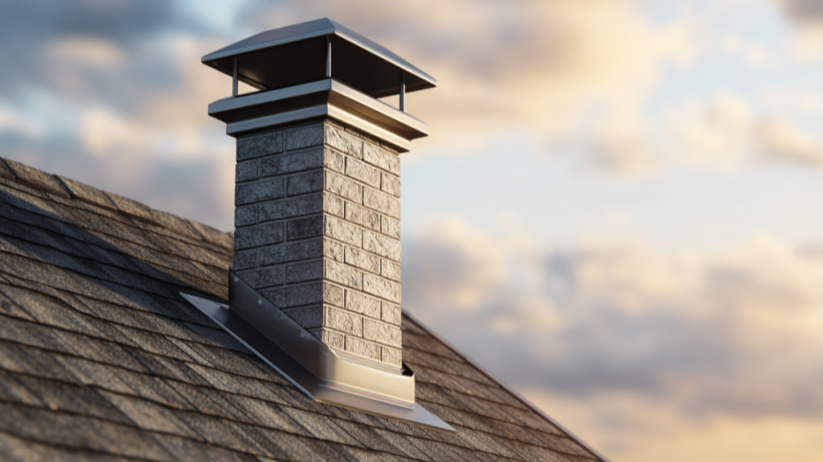
Chimney flashing is the metal installed where your chimney meets the roof. Its job is to direct water away from that joint. Roof sealing, on the other hand, refers to the materials used to close smaller gaps and reinforce those vulnerable points.
Across Versailles and into nearby Lancaster areas, many homes have masonry chimneys. These structures naturally expand and contract with temperature changes, which can slowly shift flashing over time.
Local weather conditions add to the wear:
- Regular rain and humidity increase moisture exposure
- Freeze-thaw cycles create movement in materials
- Storms bring wind-driven rain that finds weak spots
Because of this, it’s common to see chimney flashing and roof sealing wear down sooner than expected, which often leads to roof leaks if not addressed.
Signs You Need Chimney Flashing or Roof Sealing Repair
Once these areas begin to fail, the signs tend to show up gradually.
In many homes around Versailles and Lancaster, roof leaks near the chimney start with small changes that are easy to overlook at first.
Here are some signs to watch for:
- Water stains near the chimney or along ceiling lines
- Roof leaks during or after storms
- Cracked or missing sealing material
- Rusted or loose flashing
- Musty smells in attic spaces
- Damp insulation or wood
When you start to notice these signs, it’s a good indication that repairing chimney flashing or resealing parts of the roof should not be put off. Taking care of it early usually keeps the process simpler.
What to Know Before Starting Chimney Flashing or Roof Sealing Work
Before moving forward, it helps to understand what goes into chimney flashing and roof sealing work and what to expect.
Budget expectations
Most projects fall within a typical range:
- Minor sealing work: a few hundred dollars
- Flashing repair: $750 to $2,500
- More involved repairs: up to $6,000
What affects the cost
Several factors can influence the final cost:
- Size and structure of the chimney
- Roof pitch and accessibility
- Type of flashing material used
- Extent of any underlying water damage
Start with an inspection
A proper inspection helps determine whether the issue is limited to sealing or if repairing the flashing is necessary.
Permits and code considerations
Most repairs do not require permits, but larger structural work may need to meet local requirements.
Chimney Flashing Repair vs Roof Sealing: What’s the Difference?
At this stage, many homeowners wonder whether sealing the area will solve the issue or if the flashing needs to be repaired.
Roof sealing is typically used for:
- Small gaps
- Minor cracking
- Preventative maintenance
Repairing chimney flashing becomes necessary when:
- Metal has shifted or lifted
- Flashing shows signs of damage or corrosion
- Water is getting beneath the roofing materials
In simple terms, sealing helps reinforce vulnerable spots, while flashing repair addresses the underlying cause of roof leaks. Knowing the difference helps guide the right approach.
How Chimney Flashing and Roof Sealing Work Together
When everything is working properly, chimney flashing and roof sealing function as a system.
Step flashing and counter flashing
Step flashing is layered with shingles, while counter flashing protects the top edge. Together, they help direct water away from the chimney.
Sealing supports the system
Roof sealing materials are used to close smaller gaps and reinforce edges where water might otherwise enter.
Where problems usually begin
Issues often start when:
- Sealant dries out or cracks
- Flashing shifts over time
- Installation was not done correctly
If you’re dealing with roof leaks and aren’t sure where they’re coming from, starting with an inspection can help pinpoint whether chimney flashing, roof sealing, or both need attention.
Why Chimney Flashing and Roof Sealing Problems Shouldn’t Be Ignored
It’s easy to overlook small gaps around a chimney, especially if the issue only shows up during heavy rain. Over time, though, these small openings can lead to larger problems.
Once water gets past the flashing or sealing, it can move beneath the roof surface and spread.
This can lead to:
- Damage to roof decking
- Moisture buildup in the attic
- Reduced insulation performance
- Interior ceiling or wall damage
That’s why addressing chimney flashing and roof sealing early is important, especially in areas like Lancaster where weather conditions can speed up wear.
Common Flashing Problems Found in Versailles Homes
Looking across homes in this area, a few common patterns tend to show up:
- Flashing that was not installed correctly
- Sealing materials that have dried out over time
- Metal that has loosened due to temperature changes
- Rust or corrosion from long-term exposure
- Step flashing that has shifted along walls
These are some of the most common causes of roof leaks tied to chimney areas.
Real Example: Fixing a Chimney Leak Without Replacing the Roof
A recent project near Versailles offers a good example of how these issues are typically handled.
The homeowner noticed roof leaks forming near the chimney after several storms. At first, they thought the entire roof might need to be replaced.
After a closer inspection, the issue was traced back to worn chimney flashing and aging roof sealing materials. By repairing the flashing and resealing the area, the leak was resolved without replacing the full roof.
Situations like this show how addressing the problem early can keep repairs more focused and manageable.
Deep Dive: Materials, Durability, and Long-Term Performance
The materials used for chimney flashing and roof sealing play a role in how well the repair holds up over time.
Aluminum flashing
Pros:
- Lightweight
- Cost-effective
- Resistant to rust
Cons:
- Can bend more easily
Galvanized steel flashing
Pros:
- Strong and durable
- Better impact resistance
Cons:
- May corrode over time
Sealants and coatings
Pros:
- Flexible and adaptable
- Help reinforce vulnerable areas
Cons:
- Require maintenance over time
While materials matter, proper installation is just as important. When chimney flashing and roof sealing are handled correctly, they perform more reliably and help reduce the chances of future roof leaks.
Common Chimney Flashing and Roof Sealing Questions in Versailles, KY
Before moving forward with chimney flashing or roof sealing work, many homeowners in and around Versailles and Lancaster have similar questions. The answers below are designed to give you a clear understanding of what to expect and how these issues are typically handled.