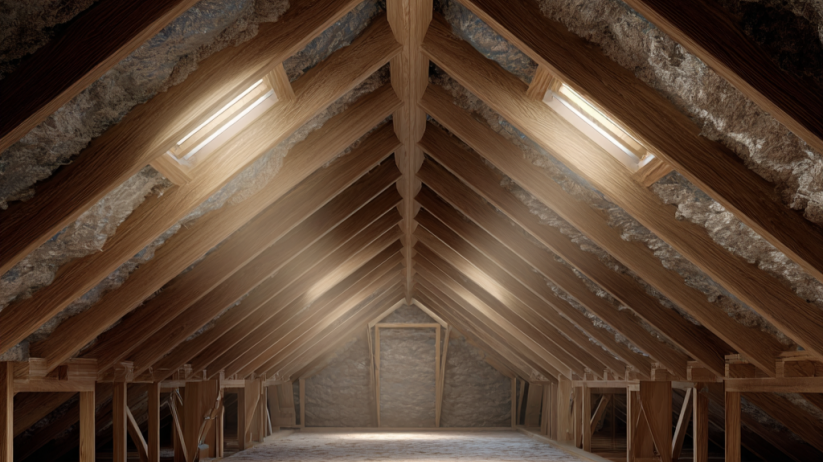
Every house tells a story through its roof. And if your Paris home’s roof could talk, it might be whispering something like, “Hey, I could use a little air up here.” Roof ventilation isn’t glamorous work — nobody’s putting it on the cover of a home magazine — but it’s one of the most critical systems keeping your home healthy, energy-efficient, and structurally sound. Whether you’re dealing with stuffy summer heat, mysterious ice dams in winter, or a utility bill that makes you wince every month, the answer might be sitting right above your head.
At MK Contractors LLC, we’ve seen what happens when ventilation gets ignored. We’ve also seen what a properly ventilated home can do for a family’s comfort and peace of mind. This guide walks you through everything you need to know — clearly, practically, and without the fluff.
Key Takeaways
- Proper roof ventilation regulates temperature and moisture year-round
- Poor ventilation shortens roof lifespan and drives up energy costs
- Paris homes face unique climate challenges that require specific ventilation strategies
- Regular inspections can catch problems before they become expensive repairs
- MK Contractors LLC offers expert ventilation assessment and installation in the Paris and Lexington, KY area
What Is Roof Ventilation and Why Does Every Paris Home Need It?
It’s the reason your attic doesn’t become a sauna — or a swamp
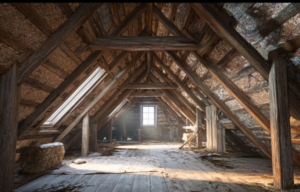
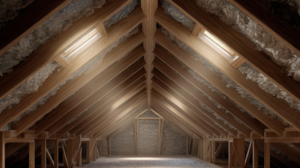
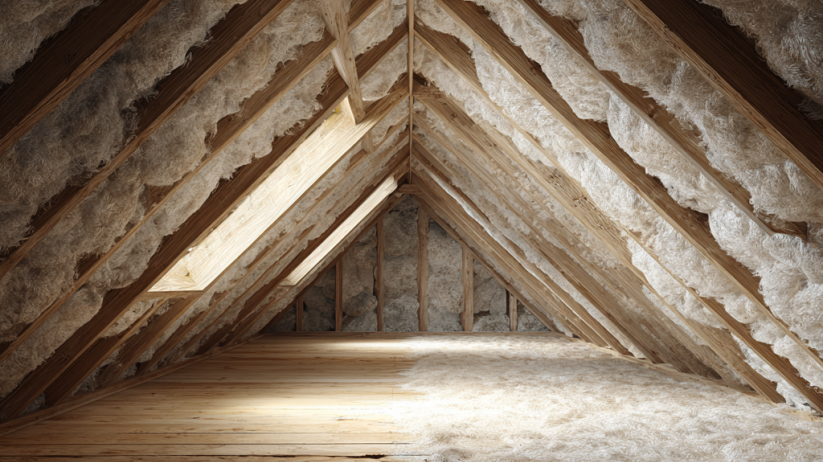
Roof ventilation is a system of intake and exhaust that allows outside air to circulate through your attic space. Warm, moist air escapes through exhaust vents near the ridge of your roof, while cooler, fresh air enters through intake vents along the soffit. This continuous exchange keeps your attic temperature regulated and prevents moisture from building up inside.
In Paris, Kentucky, and the surrounding Bluegrass region, summers get hot and humid. Winters bring their own challenges — freezing temperatures, occasional ice, and condensation buildup. Without a properly balanced ventilation system, your attic becomes a breeding ground for mold, a heat trap that taxes your HVAC system, and eventually, a slow destroyer of your roof’s structure. That’s not dramatic — that’s just what physics does when you trap heat and moisture in a confined space over years.
How Do You Know If Your Roof Isn’t Ventilated Properly?
Your home is probably giving you signs you haven’t connected to the roof yet
Most homeowners don’t know there’s a ventilation problem until it’s become a real problem. Here are the warning signs worth paying attention to:
- Your upstairs rooms are noticeably hotter than the rest of the house in summer
- You’ve noticed ice dams forming along your roofline in winter
- Your energy bills seem higher than they should be
- You’ve spotted mold or mildew in your attic
- Your roof shingles are curling, blistering, or aging faster than expected
- There’s a musty smell coming from your attic or upper floor
Any one of these signals deserves a closer look. Several of them together? That’s your roof asking for help.
The good news is these problems are solvable. A professional inspection from a team like MK Contractors LLC can identify exactly what your ventilation system is missing and lay out a clear plan to fix it before the damage compounds.
What Are the Best Roof Ventilation Methods for Homes in This Region?
Not every vent is created equal — here’s what actually works
There’s no one-size-fits-all answer to ventilation, but there are proven approaches that work well for homes in Kentucky’s climate. According to the U.S. Department of Energy, proper attic ventilation paired with good insulation significantly reduces heating and cooling costs.
Ridge vents run along the peak of the roof and allow hot air to escape naturally. They’re low-profile, durable, and effective when paired with proper soffit venting. They work with natural convection — no moving parts, no maintenance headaches.
Soffit vents are installed under the eaves and serve as the intake side of your ventilation system. Without them, ridge vents can’t function correctly. Think of it like breathing — you need both inhale and exhale, not just one.
Power ventilators use a motorized fan to actively pull hot air out of the attic. They’re useful in homes where passive ventilation alone isn’t cutting it, though they require electricity and occasional maintenance. For some Paris homes with limited ridge space or atypical roof geometry, powered options make the most sense.
Gable vents are installed on the exterior walls of the attic. They can work well in combination with other systems but are less effective on their own. An experienced contractor can assess whether your existing gable vents are helping, hurting, or simply not doing much at all.
The right combination depends on your home’s size, roof design, insulation levels, and existing infrastructure. That’s exactly the kind of assessment the team at MK Contractors LLC brings to every job.
How Much Ventilation Does Your Roof Actually Need?
There’s a formula — and most homes don’t meet it
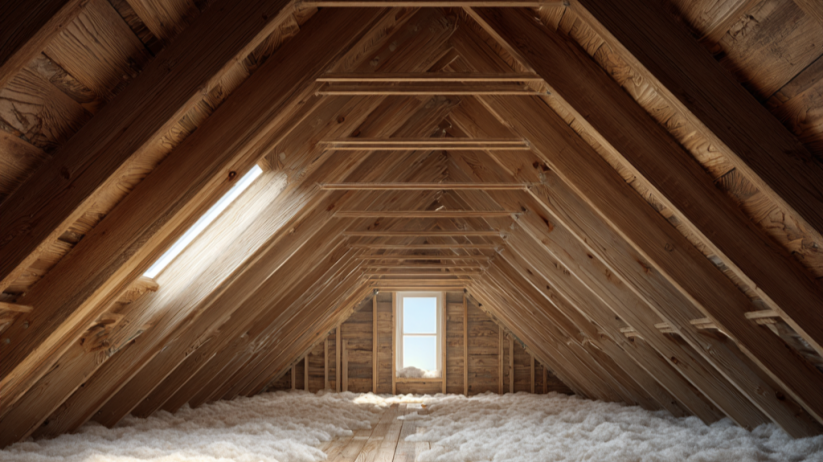
The industry standard, supported by theNational Roofing Contractors Association, is 1 square foot of net free ventilation area for every 150 square feet of attic floor space. If your attic has a vapor barrier, that ratio drops to 1:300. Getting this balance right is essential — too little ventilation causes the problems we’ve already talked about, but over-ventilation can create its own issues, including energy loss and moisture infiltration during storms.
The math matters, but so does the placement. Ventilation needs to be balanced between intake and exhaust, and the layout of your specific roof plays a big role in how effective any given setup will be.
Your Roof Ventilation Questions, Answered
Real questions from real homeowners
Does roof ventilation really affect my energy bills? Yes, significantly. A poorly ventilated attic can reach temperatures above 150°F in summer. That heat radiates into your living space and forces your air conditioner to work overtime. Better ventilation keeps that heat moving out, which keeps your home cooler with less effort from your HVAC system.
Can I add ventilation to an existing roof without replacing it? In most cases, yes. Ridge vents and additional soffit venting can often be added without a full roof replacement. A professional inspection will tell you what’s feasible for your specific roof.
How often should roof ventilation be inspected? Once a year is a good rule of thumb, ideally in the spring before summer heat sets in. After any major storm, it’s worth having things checked as well. You can also reach out to theMK Contractors LLC contact page to schedule an assessment anytime.
Does ventilation matter in the winter? Absolutely. In winter, warm air from inside your home rises into the attic and meets the cold roof deck. Without proper ventilation, that warm air condenses into moisture — the kind that leads to mold, wood rot, and ice dams along your eaves.
Let’s Make Sure Your Home Is Set Up Right
Roof ventilation isn’t something most people think about until something goes wrong. But the homeowners who stay ahead of it — who take the time to understand what’s happening above their ceilings — are the ones who avoid the expensive, frustrating surprises down the road.
If you’re in Paris, Lexington, or anywhere in the surrounding Bluegrass area and you’re not completely sure your roof is ventilated the way it should be, now is a great time to find out. The team at MK Contractors LLC brings honest assessments, quality workmanship, and the kind of straightforward communication that takes the stress out of home repair.
Don’t wait for the warning signs to get louder. Contact MK Contractors LLC today and let’s take a look at what your roof is working with — and what it needs to keep working for you.