Winter in Central Kentucky doesn’t always roar in like a blizzard. Sometimes it sneaks in quietly—cold rain, a hard freeze overnight, a surprise ice storm that shows up uninvited. And when it does, your roof takes the brunt of it. Unfortunately, a lot of homeowners are still operating on winter roofing myths that can lead to bigger repairs, higher bills, and unnecessary stress.
Let’s clear the air. Below are five winter roofing myths Central Kentucky homeowners still believe—and what actually keeps your home protected when temperatures drop.
Key takeaways:
- Winter roof problems don’t always announce themselves with leaks
- Cold weather doesn’t automatically stop roofing work
- Small issues in winter can turn into expensive spring repairs
- Ice and moisture are bigger threats than snow alone
- A local contractor who understands Kentucky winters makes all the difference
Is winter really a “safe season” for my roof?
Many homeowners assume no leaks mean no problems
One of the most common winter roofing myths is that if you’re not seeing water dripping from the ceiling, your roof must be fine. In reality, winter damage often hides until warmer weather shows up.
Cold temperatures cause roofing materials to contract. That contraction can open tiny gaps around flashing, vents, or shingles. Moisture sneaks in, freezes, expands, and quietly makes the problem worse. By spring, that “small issue” becomes a full-blown repair.
Actionable advice:
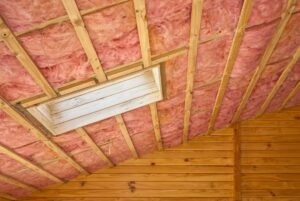
- Check your attic for damp insulation or musty smells
- Look for ceiling stains that appear darker after cold snaps
- Schedule a winter roof inspection, even if everything seems fine
Is snow the biggest winter roofing threat in Central Kentucky?
Ice and moisture cause more damage than snow ever will
Central Kentucky doesn’t see heavy snow often, but freeze-thaw cycles are brutal on roofs. Snow melts during the day, refreezes at night, and creates ice buildup in places it shouldn’t—especially near eaves and gutters.
This process can force water back under shingles, leading to rot and leaks. It’s not about how much snow you get—it’s about how often temperatures bounce above and below freezing.
Common winter trouble spots include:
- Gutters clogged with leaves that trap ice
- Valleys where two roof slopes meet
- Flashing around chimneys and skylights
Keeping gutters clear and having proper attic ventilation can dramatically reduce these issues.
Should I wait until spring to fix roof damage?
Delaying repairs almost always makes things worse
Another myth that refuses to die is the idea that winter roof problems should wait until warmer weather. In reality, waiting can turn a manageable repair into a costly replacement.
Moisture doesn’t pause just because it’s cold. It keeps working its way into decking, insulation, and framing. By the time spring rolls around, the damage has spread.
If you’re unsure whether a winter repair is urgent, here’s a quick rule of thumb:
- Active leaks should always be addressed immediately
- Loose or missing shingles need attention before the next storm
- Flashing damage rarely fixes itself
Professional contractors know how to handle winter repairs safely and effectively.
Is it impossible to replace or repair a roof in cold weather?
Modern materials and techniques make winter roofing possible
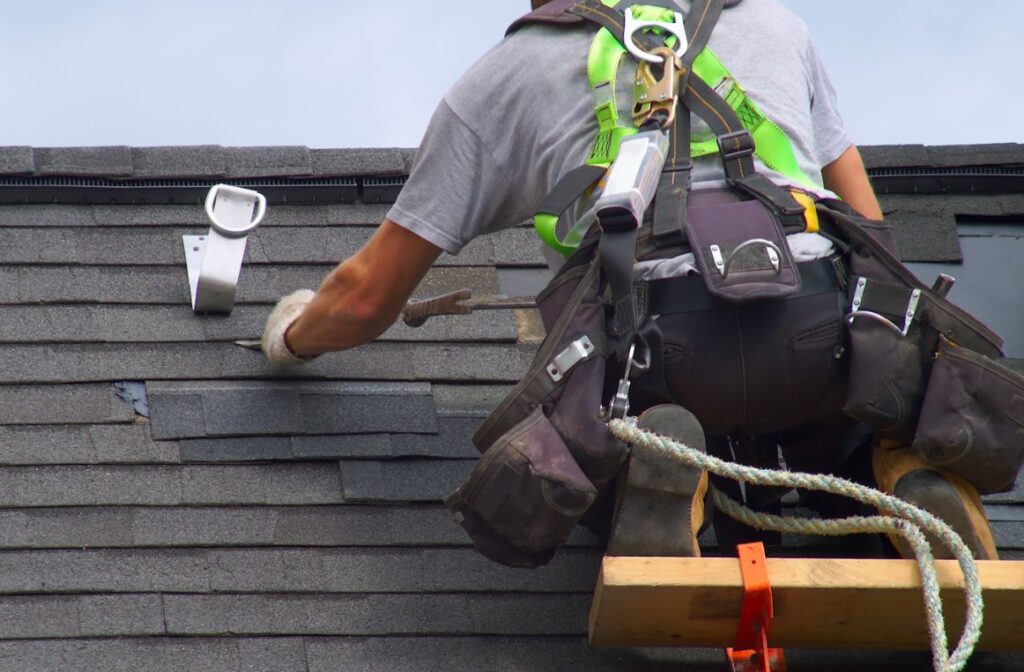
Many Central Kentucky homeowners believe roofing simply can’t be done in winter. That may have been true decades ago, but today’s materials and installation methods are designed to work in colder temperatures.
While extreme cold or active storms may cause brief delays, many repairs—and even replacements—can be done safely when conditions allow. The key is working with a contractor who understands seasonal limitations and adjusts accordingly.
What experienced winter roofers do differently:
- Use cold-weather installation techniques
- Schedule work during optimal temperature windows
- Prioritize safety for both crew and home
If your roof needs attention, winter doesn’t automatically mean “wait.”
Does a new roof eliminate winter problems altogether?
Even new roofs need maintenance and inspections
A newer roof is a great investment, but it’s not immune to winter issues. Improper ventilation, blocked gutters, or flashing failures can affect roofs of any age.
Kentucky’s mix of rain, ice, and temperature swings puts stress on every roofing system. Regular inspections and seasonal maintenance are what keep a roof performing well long-term.
Smart winter maintenance habits include:
- Clearing gutters before the first freeze
- Checking attic insulation and airflow
- Scheduling periodic professional inspections
Think of it less like “set it and forget it” and more like routine care that protects your investment.
Winter Roofing Questions People Ask at the Hardware Store (But Should Ask a Pro)
Straight answers to common cold-weather roofing concerns
Can a roof leak without visible water damage?
Yes. Moisture can soak insulation or decking long before it reaches your ceiling.
Is ice dam damage covered by insurance?
Sometimes. Coverage depends on your policy and whether maintenance played a role.
How do I know if my attic ventilation is adequate?
Uneven roof temperatures, ice buildup, and condensation are common warning signs.
Should I remove snow from my roof?
In most cases, no. Improper removal can damage shingles. Ice and drainage issues matter more than snow depth.
What’s the best time to schedule a winter roof inspection?
Before problems appear—early winter or after the first major temperature swing is ideal.
What should Central Kentucky homeowners do differently this winter?
Small steps now prevent big repairs later
Winter roofing success isn’t about panic—it’s about preparation. Understanding how Kentucky winters affect your roof helps you make smarter decisions and avoid unnecessary damage.
If something feels off—drafts, stains, strange smells—it’s worth checking out. Trust your instincts, but verify with a professional who knows local conditions.
Bring It All Home Before the Next Cold Snap
Protect your roof before winter takes more than it should
Winter roofing myths stick around because they sound logical. Unfortunately, they also cost homeowners time, money, and peace of mind. The good news? A little knowledge—and the right contractor—goes a long way.
If you’re unsure about your roof’s condition this winter, don’t guess. Reach out to MK Contractors LLC in Lexington, KY for expert roofing services tailored to Central Kentucky homes. We understand the weather, the materials, and the stakes—and we’re here to help keep your home protected all season long.