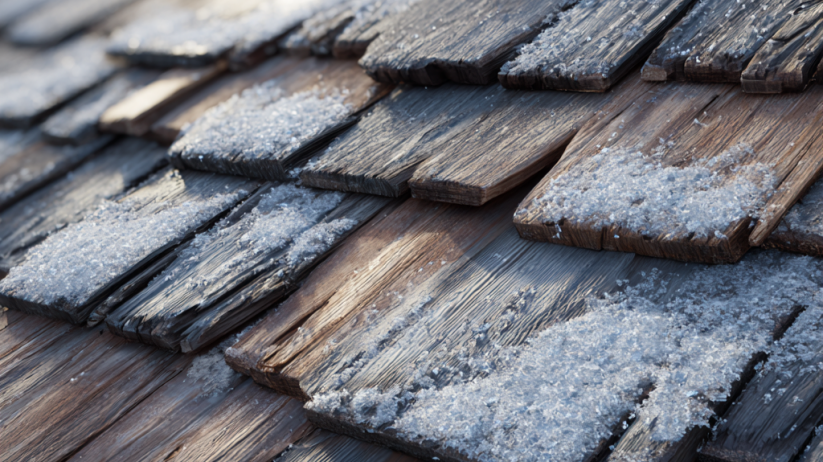
When winter rolls into Lexington, KY, it doesn’t knock politely—it barges in with snow, ice, sleet, and the kind of cold that tests every square inch of your roof. Whether you’re dealing with asphalt shingles, metal panels, cedar shakes, or slate tiles, winter weather affects each material differently. And if you’ve ever worried about ice dams, cracking shingles, or that ominous drip-drip in the attic, you’re not alone.
Staying ahead of winter roof damage isn’t just about knowing what to look for—it’s about knowing what to do next. Below, we break down how snow and ice interact with every major roofing material so you can protect your home, avoid costly surprises, and feel confident heading into the coldest months of the year.
Key Takeaways
- Snow and ice impact every roofing material differently—understanding how helps prevent damage.
- Ice dams are one of the biggest culprits behind winter roofing issues.
- Proper ventilation, insulation, and timely maintenance are your best defenses.
- Each material (asphalt, metal, cedar, slate) has unique strengths and vulnerabilities in cold climates.
- A professional inspection before and after winter is one of the simplest ways to extend your roof’s life.
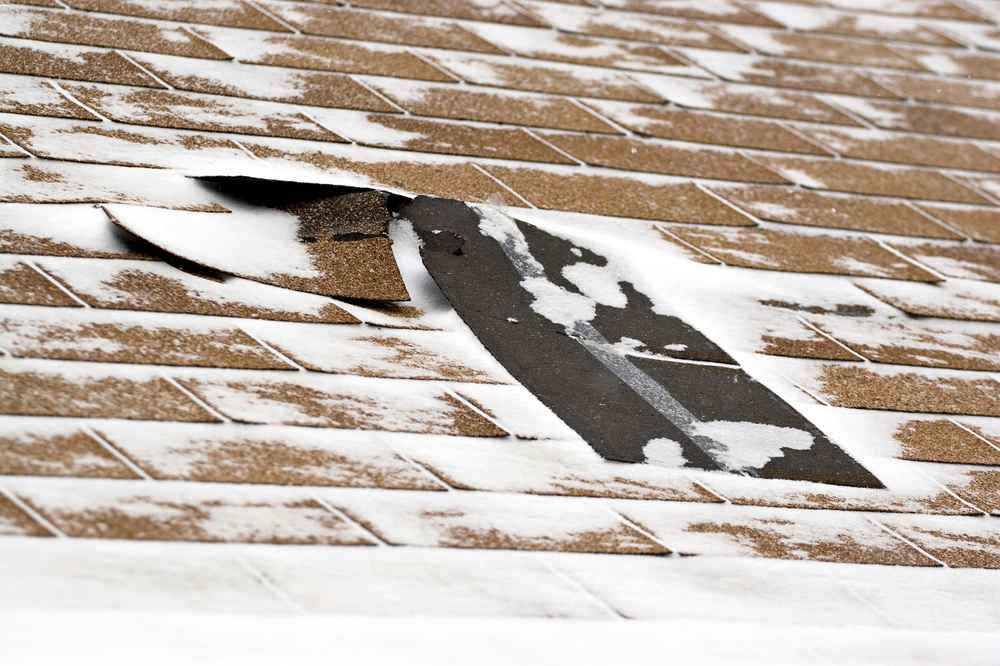
How Snow and Ice Affect Asphalt Shingles
Asphalt shingles are the reliable workhorse of residential roofing—but even they have their limits.
Snow adds weight. Ice adds pressure. Repeated freeze-thaw cycles make shingles expand and contract. Over time, this can lead to:
- Cracking: Brittle shingles can fracture when temperatures drop below freezing.
- Granule Loss: Ice sliding off the roof can scrape away protective granules.
- Ice Dam Damage: When heat escapes through the attic and melts the snow, refreezing ice dams can force water under the shingles.
What You Can Do
- Make sure attic insulation is consistent and up to code.
- Keep gutters clear before the first snowfall.
- Schedule a pre-winter roof inspection.
Asphalt shingles handle Kentucky winters just fine when properly maintained—but they don’t forgive neglect.
The Truth About Metal Roofs in Winter
Metal roofing is often considered the champion of cold climates—and for good reason. It sheds snow quickly, resists cracking, and handles temperature swings better than almost any other material. But it’s not completely invincible.
Winter Impacts on Metal Roofs
- Rapid Snow shedding: Great for preventing ice dams, but can create sudden “roof avalanches.”
- Freeze-Thaw Stress: Expansion is normal, but fast temperature swings can stress seams.
- Ice Buildup in Valleys: Even metal roofs can see pooling and refreezing in structural low points.
How to Prevent Problems
- Install snow guards to prevent sudden sheet-style snow slides.
- Keep flashing and seams professionally maintained.
- Ensure attic ventilation is consistent and functioning.
Metal roofing thrives in winter—just give it the support it needs.
Cedar Shingles & Shakes: Winter’s Relationship with Wood
Cedar roofing is beautiful, natural, and surprisingly strong. But wood reacts to moisture differently than synthetic materials—and winter is one long moisture test.
Here’s what snow and ice can do:
- Swelling & Shrinkage: Wood absorbs moisture, then contracts in dry freezes—leading to warping or splits.
- Trapped Moisture: Snow sitting too long can cause long-term dampness, inviting mold or rot.
- Surface Wear: Ice scraping or sliding can pick away at the soft wood fibers.
Protect Your Cedar Roof with These Steps
- Apply protective treatments to prevent moisture absorption.
- Clean roof surfaces of debris before winter so melting snow can drain properly.
- Schedule annual inspections—cedar needs a little more love than other materials.
Cedar can absolutely withstand Kentucky winters—just make sure it has room to breathe.
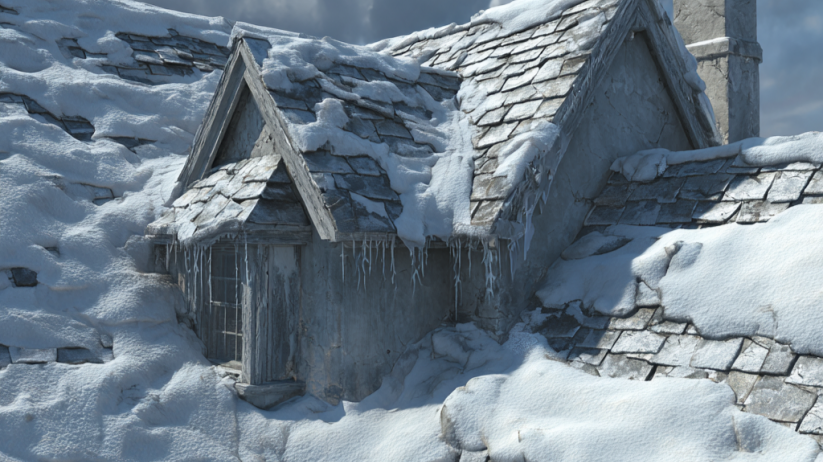
Slate Roofing: Nearly Impervious… Almost
Slate roofing is about as tough as it gets. It laughs at fire, shrugs at storms, and is nearly unmatched in longevity. But even slate has its weak spots when winter settles in.
Snow & Ice Challenges for Slate
- Heavy Snow Load: Slate is heavy. Add snow, and your roof structure carries serious weight.
- Ice Expansion: Water can seep into small areas and freeze, pushing slates out of position.
- Slippage: Ice sheets sliding off can pull loose slate tiles with them.
Stay Ahead of Slate Issues
- Keep gutters and downspouts clean to prevent ice dams.
- Have a professional evaluate flashing and fasteners yearly.
- Never walk on a slate roof—one wrong step can turn a strong system into a fragile one.
Slate holds up beautifully, but like all premium materials, it deserves premium care.
What Winter Really Does to Your Entire Roofing System
Every roofing material has unique traits—but snow and ice affect more than just surface layers. The entire roofing system works together, and winter puts every component to the test.
System-Wide Stress Points (And What They Mean for You)
- Ice dams → Backed-up water under shingles or shakes
- Freeze-thaw cycles → Cracking, warping, shifting tiles
- Trapped moisture → Mold, rot, and weakened structure
- Heavy snow loads → Structural strain on rafters and decking
- Condensation in attic → Hidden leaks and insulation damage
Keeping the full system in mind helps you avoid surprises that often get blamed on materials but actually result from airflow, insulation, or drainage issues.
Actionable Tips for Winter Roof Care
To help you stay ahead of winter roofing problems, here’s a simple checklist you can follow:
Winter Roof Prep & Protection Checklist
- Clear gutters and downspouts before snowfall
- Improve attic insulation to prevent heat loss
- Ensure ridge vents and soffit vents are unobstructed
- Remove low-hanging limbs that can break under ice
- Install heat cables if your roof is prone to ice dams
- Have a roofer check flashing, valleys, and penetrations
- Avoid DIY snow removal—improper tools damage shingles
Small steps now save you from big headaches later.
“Ask the Roofer” – Winter Roofing Questions People Ask Most
Why do ice dams happen even when my roof looks fine?
Because the issue usually starts inside your home. Warm air escaping into the attic melts the underside of the snow. That water refreezes at the edges, forming a dam that pushes water back under your roof covering.
Is it normal to hear popping or cracking noises in winter?
Yes. Most roofing materials expand and contract as temperatures change. Loud cracks often come from metal or attic framing adjusting in the cold.
Should I remove snow from my roof myself?
No. Using shovels or scraping tools can cause surface damage. A roof rake with a long extension pole is the only safe DIY option—and even then, only use it from the ground.
Do different roofing materials handle winter differently?
Absolutely. Metal sheds snow quickly, slate resists absorption, cedar swells, and asphalt becomes more brittle. Understanding your material helps you care for it properly.
How do I know if winter damaged my roof?
Look for interior leaks, new ceiling stains, lifted shingles, sagging gutters, or ice buildup where it wasn’t before. A post-winter inspection is always a smart move.
Bringing It All Home
Winter weather in Kentucky doesn’t take it easy on your roof—but when you understand how snow and ice affect different materials, you’re better equipped to protect your home and avoid costly repairs. Whether your roof is asphalt, metal, cedar, or slate, the key is getting ahead of winter problems with smart maintenance, strong ventilation, and professional support when you need it.
Ready to Winter-Proof Your Roof?
For expert inspections, repairs, and winter-ready roofing solutions, reach out to MK Contractors LLC in Lexington, KY. Their team knows how to protect your home through the toughest seasons—and they’re ready to help you stay safe, dry, and confident all year long.