Most homeowners in Berea think about their roof and their attic as two completely separate things. The roof is up top doing its job in the rain and wind. The attic is just that dusty space where holiday decorations go to be forgotten. But here’s the truth: what’s happening in your attic has a direct effect on how long your roof lasts, how much you pay to heat and cool your home, and whether you end up with expensive damage that could have been avoided entirely.
Attic insulation isn’t glamorous. It doesn’t get its own home improvement show. But it might be the most hardworking, underappreciated part of your entire house — and in Berea, where winters bite and summers bake, getting it right matters more than most people realize.
Key Takeaways
- Attic insulation directly affects roof longevity by regulating temperature and moisture
- Berea’s climate creates specific insulation challenges that affect both older and newer homes
- Poor insulation leads to ice dams, premature shingle failure, and structural wood rot
- Proper ventilation works hand-in-hand with insulation — you need both
- Upgrading attic insulation is one of the highest-return investments a homeowner can make
- MK Contractors in Lexington, KY can assess and improve your attic insulation before small problems become big ones
Why Does Attic Insulation Matter So Much for Your Roof?
Your attic is the buffer zone between your living space and your roof, and what happens there affects everything above it.
Think of your attic as the middleman between your home and the elements. When insulation is doing its job, your attic stays close to the outside temperature — which is exactly what you want. When insulation fails or was never installed correctly, the attic becomes either a heat trap in summer or a warm pocket in winter. Both scenarios cause real damage to the roof structure over time.
Heat buildup in summer pushes temperatures in an under-insulated attic well above 150 degrees on a hot Kentucky afternoon. That sustained heat degrades roofing materials from the inside out, drying out shingles faster and shortening the life of your roof by years. In winter, a warm attic melts snow on the roof surface, which refreezes at the cold eaves and creates ice dams — one of the most destructive forces a residential roof can face.
The relationship between your attic and your roof isn’t complicated once you understand it. It’s just one of those things nobody explains until something goes wrong.
What Are Ice Dams and Why Should Berea Homeowners Take Them Seriously?
Ice dams are a direct result of heat escaping through a poorly insulated attic, and they can destroy a roof from the top down.
Berea gets real winter weather. When snow sits on your roof and the attic below is warmer than it should be, the snow melts and runs down toward the eaves, where it hits the cold overhang and refreezes. That cycle repeats every time temperatures fluctuate, and the ice builds up into a dam that traps water behind it.
That trapped water has nowhere to go except under your shingles. Once it’s under the shingles, it works its way into the decking, the rafters, and eventually into your living space. The damage it leaves behind includes:
- Warped and stained ceiling drywall
- Rotted roof decking that needs full replacement
- Damaged fascia and soffit boards
- Compromised attic insulation from moisture saturation
- Mold growth in attic framing and insulation materials
The frustrating part is that ice dams feel like a roofing problem, so homeowners call a roofer. But the actual cause is almost always in the attic. Fixing the roof without addressing the insulation is like mopping the floor without turning off the leaking faucet.
How Does Poor Insulation Shorten the Life of Shingles?
Shingles are designed to handle weather from outside — not heat stress from below.
Asphalt shingles have a rated lifespan, but that rating assumes they’re installed over a properly conditioned roof deck. When attic temperatures run excessively hot through repeated summers, shingles dry out, curl at the edges, and lose the granules that protect them from UV damage. A roof that should last 25 to 30 years might need roof replacement in 15 if the attic underneath has been running hot the whole time.
This is especially relevant in Berea, where homes sit in a region that sees both humid summer heat and sharp winter cold. The thermal cycling your roof goes through is already significant. Poor insulation amplifies every extreme and accelerates the wear on materials that were never cheap to begin with.
What Type of Insulation Works Best in a Berea Attic?
The right insulation depends on your attic’s layout, your home’s age, and what’s already up there — but there are clear front-runners for Kentucky homes.
Berea homes vary quite a bit in age and construction style, which means there’s no single answer that fits every attic. That said, a few options consistently perform well in this climate:
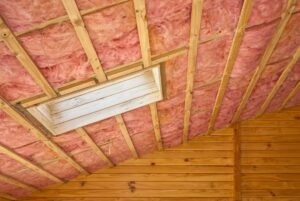
- Blown-in fiberglass or cellulose is ideal for covering large attic floors evenly, filling gaps around joists and framing without requiring a full tear-out of existing insulation
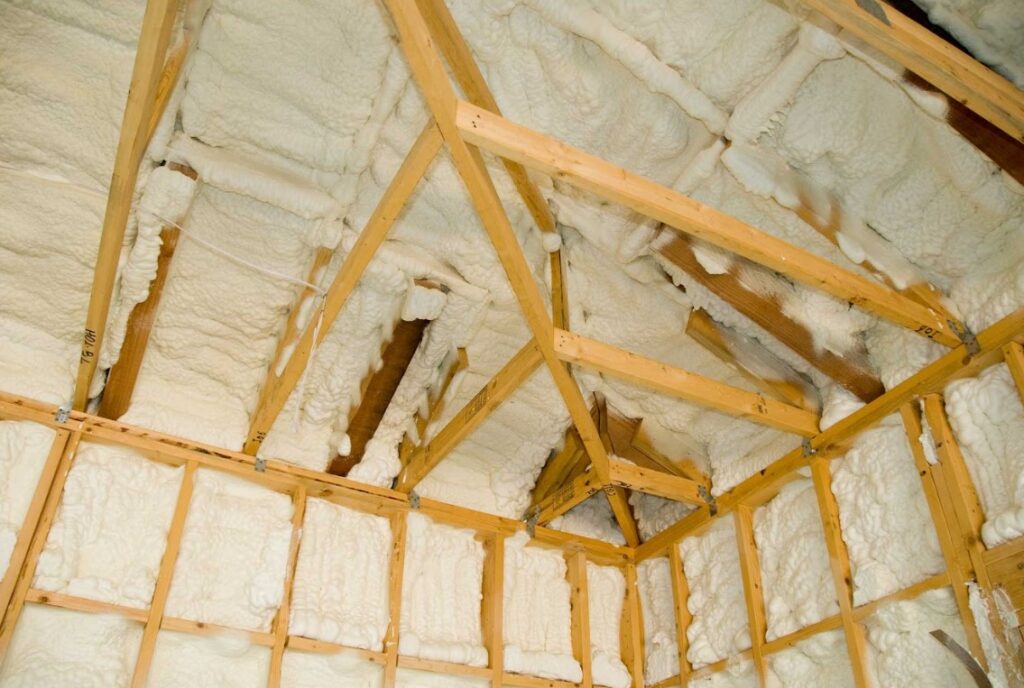
- Spray foam works well for sealing air leaks around penetrations, recessed lights, and attic hatches where conditioned air sneaks through
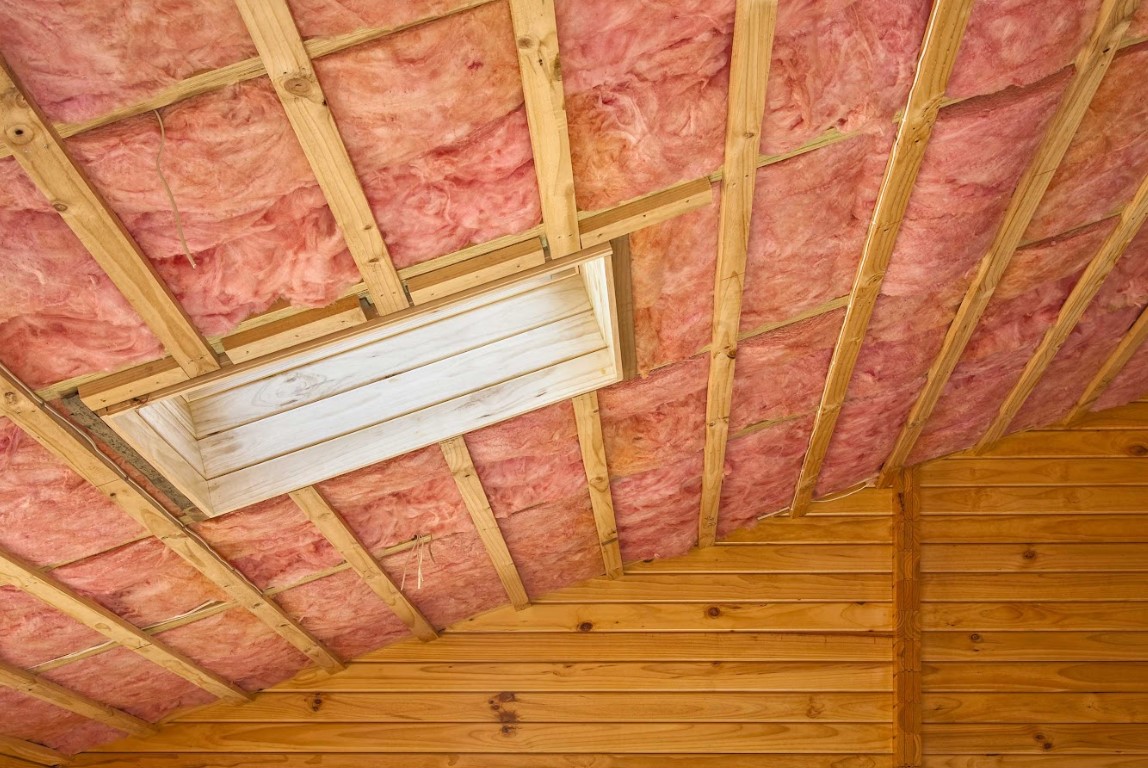
- Batt insulation is a practical option for new construction or attic spaces with easy, open access and standard joist spacing
The number that matters most is R-value, which measures how well insulation resists heat flow. For attics in Kentucky, the Department of Energy recommends R-49 to R-60 for most homes. Many older Berea homes are sitting at R-19 or less, which means they’re working at a serious deficit every single month of the year.
Does Attic Ventilation Work With Insulation or Against It?
Insulation and ventilation aren’t competing — they’re partners, and your attic needs both working correctly.
This is where a lot of people get confused. Some homeowners think that sealing up the attic completely will keep heat in and save energy. In reality, proper ventilation — through ridge vents, soffit vents, or both — allows the attic to breathe and prevents the moisture and heat buildup that damages both the insulation and the roof structure.
Insulation keeps conditioned air where it belongs: inside your living space. Ventilation manages the attic air itself, pulling in fresh air from the eaves and exhausting heat and moisture at the ridge. When both systems are calibrated correctly, your attic stays close to outside temperatures year-round, and your roof lives a much longer, healthier life.
Straight Talk on Attic Insulation: Your Questions Answered
How do I know if my attic insulation is failing?
Look for uneven heating and cooling in rooms near the top floor, unusually high energy bills, visible ice dams in winter, or insulation that looks thin, compressed, or moisture-damaged when you peek into the attic. Any of these is a signal worth taking seriously.
Can I add insulation on top of what’s already there?
Often, yes. If existing insulation isn’t wet, moldy, or pest-damaged, blown-in insulation can be added right over it to bring the R-value up to the recommended level. A professional assessment will tell you whether a clean-out is needed first.
How long does attic insulation last?
Most insulation materials are rated for 20 to 30 years, but performance can degrade faster due to moisture, pests, or settling. Homes older than 15 to 20 years often benefit from having the attic evaluated even if no obvious problems are visible.
Will better insulation actually lower my energy bills?
Yes, and often noticeably. The EPA estimates that properly air sealing and insulating can save homeowners an average of 15 percent on heating and cooling costs. In a climate like Berea’s, that adds up across every season.
Protect Your Roof by Starting in the Attic
Your roof takes the hits so the rest of your house doesn’t have to. But it can only hold up for as long as the system behind it supports the effort. Attic insulation is that support system — and when it’s working right, you get a longer-lasting roof, lower energy bills, and a home that stays comfortable no matter what the Kentucky weather throws at it.
If you’re not sure what’s going on in your attic, or if you’ve been putting off an inspection because it just doesn’t feel urgent, consider this your sign. The best time to address insulation issues is before the damage shows up on your ceiling or in your energy bills.
Contact MK Contractors in Lexington, KY today to schedule an attic insulation assessment. They’ll give you a straight answer about where your home stands and what it actually needs — no upselling, no guesswork, just real work done right.