
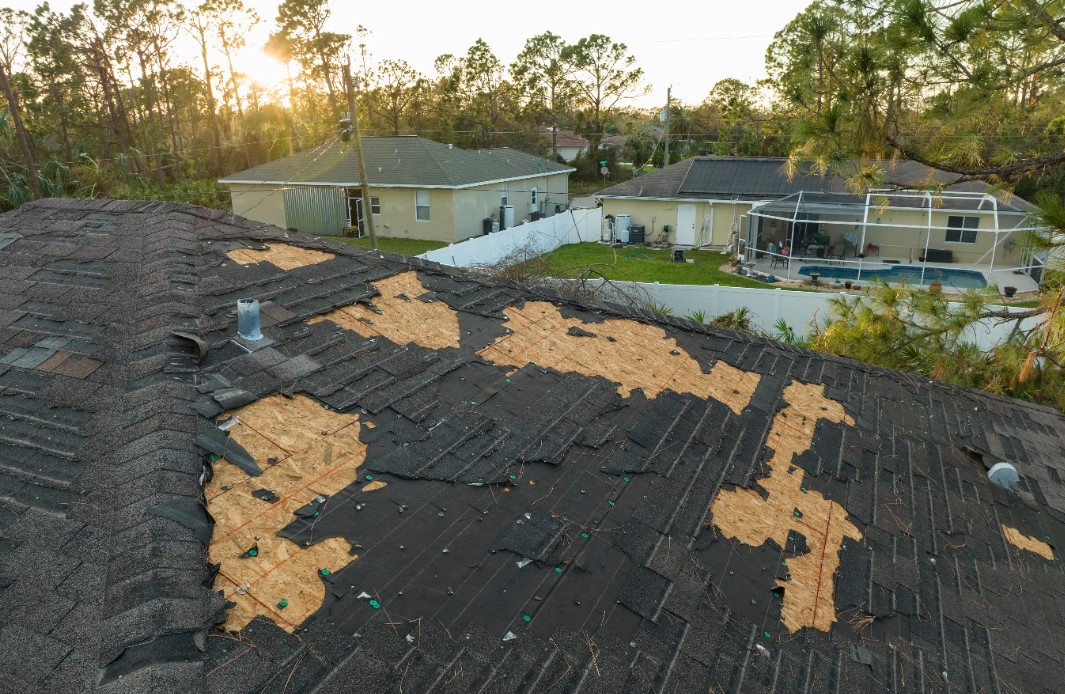
If you have lived in Central Kentucky for more than five minutes, you know our weather does not do anything by halves. One day you are enjoying a mild Bluegrass afternoon, and the next you are listening to hail slam against your siding or watching severe spring winds tear through the neighborhood. When severe storms strike, your roof takes the brunt of the impact.
Dealing with missing shingles, sudden ceiling leaks, or structural damage is stressful enough on its own. Adding an insurance company into the mix can make you feel like you are trying to read a blueprint in the dark. Between confusing policy language, tight filing deadlines, and surprise out-of-pocket costs, filing a roof insurance claim often feels like a full-time job.
It does not have to be that way. Knowing how the claims process works, what your rights are under Kentucky law, and how to work alongside local professionals puts you right back in the driver’s seat.
Key Takeaways
- Documenting damage with photos and dates right after a storm is the most critical first step you can take.
- Under Kentucky regulation, insurance carriers generally must acknowledge claims within 15 working days and respond promptly to your updates.
- You have the right to choose your own trusted local roofer to represent your interests during the adjuster’s inspection.
- Temporary repairs should be made to prevent water intrusion, but save all receipts to get reimbursed.
- Working with an experienced local contractor ensures your replacement estimate includes every line item required by current building codes.
Why Is Documenting Storm Damage Immediately So Important?
How initial photos, timestamps, and notes protect your policy payout
The moment a severe weather event passes through your neighborhood, the clock starts ticking. The biggest mistake many homeowners make is waiting days or weeks to take a look at their property, or worse, clearing away broken branches and debris before snapping a single picture. Insurance claims live and die on evidence.
As soon as it is safe to walk outside, grab your smartphone. Take clear photos and videos of everything from ground level. Look for dented gutters, cracked downspouts, shredded window screens, and any shingles resting on your lawn. Do not forget to look inside. Head up to your attic with a bright flashlight and photograph water rings on the rafters, damp insulation, or sunlight peeking through the roof deck. Your phone automatically records the time, date, and location of those photos, giving your insurance company indisputable proof of when the damage occurred.
Should You Get a Free Roofer Inspection Before Calling Your Insurance Company?
Why having an independent expert report gives you leverage with adjusters
Filing an insurance claim without getting a contractor to look at your roof first is a bit like going to court without doing your homework. Insurance adjusters inspect dozens of homes after a major storm. They are often working on tight schedules and can easily miss subtle signs of damage, such as loss of protective asphalt granules or hairline cracks in synthetic tiles.
Calling a reputable local contractor first changes the entire dynamic. A licensed roofer will climb onto your roof, inspect every ridge line, valley, and flashing detail, and compile a detailed damage report complete with high-resolution photos and measurements. When you file your claim with that document in hand, your adjuster receives clear evidence from day one. Take a moment to explore our professional roofing service options to see how a complete assessment protects your home.
How Does the Official Claim Filing Process Work in Kentucky?
Step-by-step instructions for submitting your policy claim smoothly
Once you have documented the damage and received an initial professional opinion, it is time to contact your insurance carrier.
- Call Your Carrier’s 24/7 Claims Line: Reach out directly to the claims department using the phone number listed on your policy documents, rather than your local sales office, to ensure your claim is logged immediately.
- Provide Clear Event Details: Have your policy number, the exact date of the storm, and your documented notes ready. Stick to the facts about what happened.
- Track Your Claim Number: Write down your unique claim number and the name of the representative who took your report. You will need this for every conversation moving forward.
- Schedule the Adjuster Visit: The insurance carrier will assign an independent or staff adjuster to inspect your property.
Under guidelines maintained by the Kentucky Department of Insurance, insurance companies are expected to acknowledge your claim within 15 working days of receiving notice and maintain reasonable communication standards throughout the review process.
What Happens When the Insurance Adjuster Arrives at Your Property?
Why your contractor should always be present during the walkthrough
When the adjuster comes out to inspect your home, you do not have to walk around with them alone. You have every right to have your chosen roofing contractor present on site. In fact, adjusters regularly expect contractors to meet them during storm evaluations.
Having your roofer on site ensures that both professionals look at the exact same damage together. Your contractor can point out subtle hail impacts, highlight damaged underlying decking, and discuss the scope of repairs face-to-face. This eliminates confusion, reduces back-and-forth phone calls, and keeps the adjuster from accidentally writing off a full roof replacement as a simple repair patch job.
What Is the Difference Between ACV and RCV Checks?
How actual cash value, depreciation, and deductible payments fit together
When your insurance company approves your claim, you will likely receive your payout in two separate payments. Understanding how these checks work prevents unnecessary panic when you look at the dollar amounts.
- Actual Cash Value (ACV): This is the first check your carrier issues. It reflects the current value of your damaged roof, minus your deductible and age-based depreciation.
- Your Policy Deductible: This is the out-of-pocket amount you agreed to pay when you signed your insurance policy. Under Kentucky law, contractors cannot cover, absorb, or waive your policy deductible.
- Replacement Cost Value (RCV): This represents the total actual cost to repair or rebuild your roof using new, modern materials.
- Recoverable Depreciation: Once your contractor completes the repair or replacement work and submits final invoices, your insurance company releases the remaining depreciated funds to cover the final balance.
What Should You Do If Your Insurance Claim Is Denied or Lowballed?
How the supplement process gets missed repair items fully funded
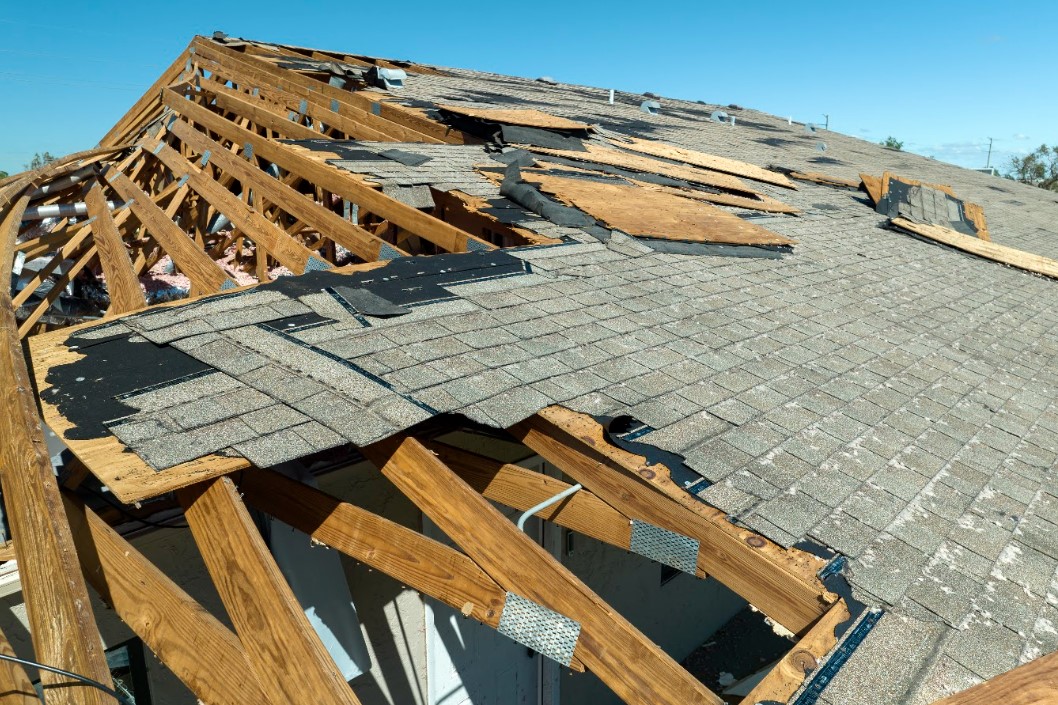
It is not uncommon for an initial insurance estimate to come back lower than expected. Adjusters might approve money to fix ten missing shingles when half your roof deck is compromised, or they might leave out critical code-required items like drip edges, ice and water shields, or fresh ridge vents.
A low initial estimate is not the end of the road. Your roofer can submit what is called an insurance supplement. A supplement is a detailed line-item request that provides additional photos, local code requirements, and material pricing breakdowns to show the insurance company why extra work is necessary. On typical storm damage repairs, supplements cover legitimate costs that an adjuster simply overlooked during their initial walkthrough. If you want to get a sense of how we handle detailed inspections and repairs, take a moment to learn more about our team and mission.
What Urgent Steps Keep Water Damage From Getting Worse?
Making temporary fixes that your insurance company will reimburse
If a storm leaves an open tear in your roof lining or knocks out shingles right above your master bedroom, you cannot afford to wait weeks for an adjuster check to fix the leak. Insurance policies explicitly state that homeowners must take reasonable steps to prevent secondary damage to their homes.
You should:
- Place tarps over exposed roof decking to block rainwater.
- Move furniture, rugs, and valuables away from dripping ceiling stains.
- Set up buckets and floor fans to catch incoming water and dry out damp flooring.
- Keep every single receipt for tarps, plywood, and emergency contractor repair calls.
Your insurance policy will reimburse you for reasonable emergency mitigation expenses as long as you keep accurate documentation. You can also review consumer disaster guidelines through FEMA Disaster Assistance to understand how federal aid interacts with private insurance after major weather declarations.
Real Questions Kentucky Homeowners Ask About Roof Claims
Simple answers regarding timelines, material choices, and policy rates